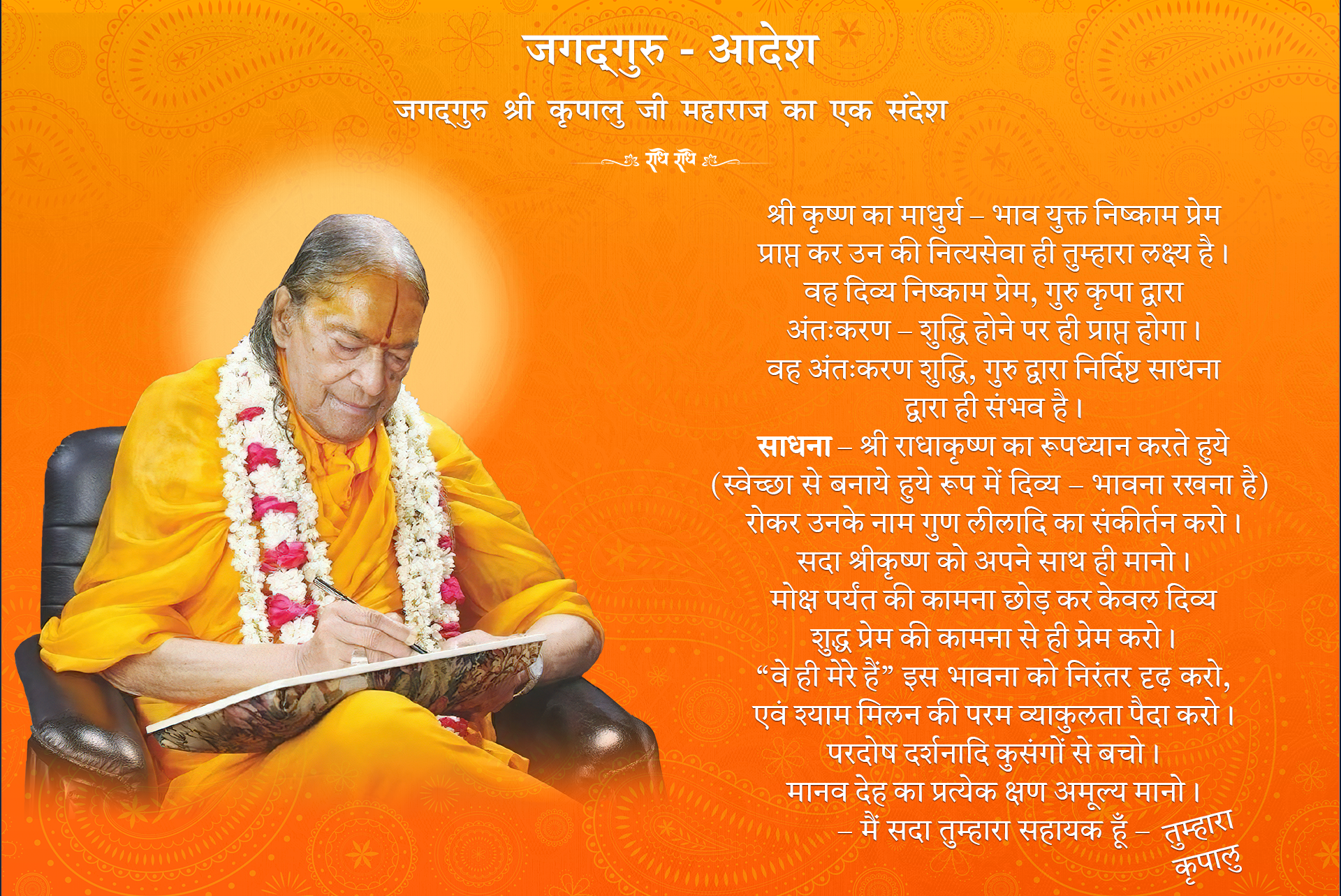
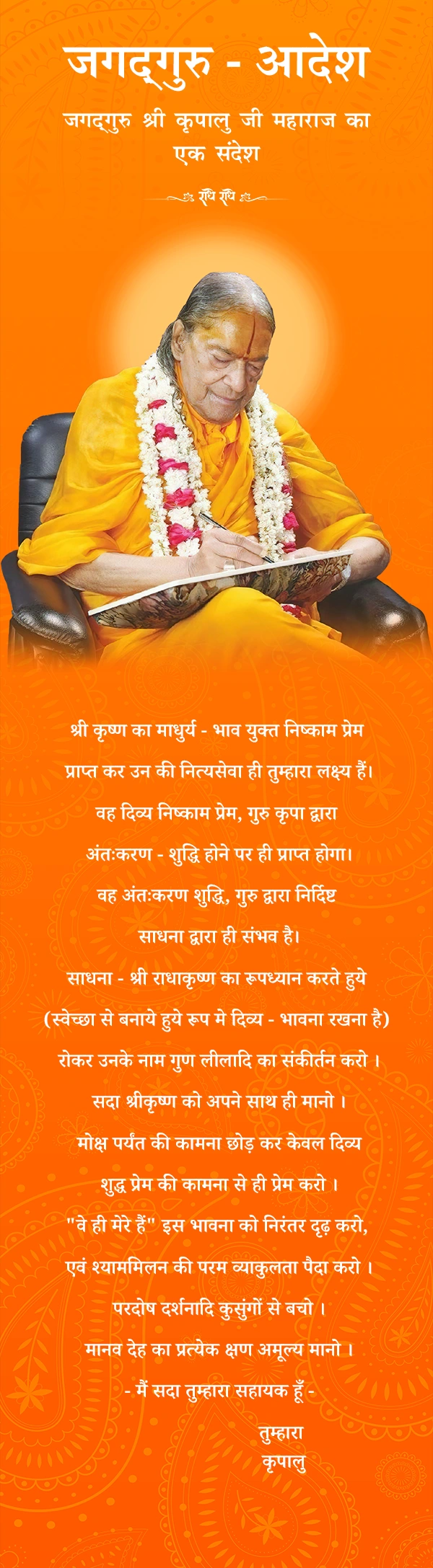
The discourse begins with two important questions: “Who am I?” and “Who is mine?” These questions help us understand the true purpose of human life. According to the spiritual teachings explained in the discourse, we are not merely the physical body but eternal souls. The body changes with time, but the soul remains eternal. However, due to maya (illusion), we often identify ourselves with our body, family, possessions, and worldly relationships. We become attached to temporary things and believe that they will give us lasting happiness. In reality, everything in the material world is temporary, and depending entirely on these things can lead to sadness and disappointment. True and lasting happiness can only be found by understanding our spiritual identity and developing a loving relationship with God.
The discourse also explains that the material world cannot provide the eternal happiness that the soul is searching for. People often try to find happiness through wealth, comfort, success, and relationships, but these pleasures do not last forever. The soul naturally seeks a deeper form of happiness that comes from its connection with the Divine. To attain this happiness, different spiritual paths are described, including karma yoga (the path of selfless action), gyan yoga (the path of knowledge), and bhakti yoga (the path of devotion). Although each path has its own importance, the discourse particularly emphasizes bhakti, or loving devotion to God. Through devotion, a person can gradually overcome selfish desires, reduce attachment to material things, and develop a pure heart. However, spiritual progress does not depend only on personal effort; the grace of God and the guidance of a genuine spiritual teacher are also considered very important.
Another major topic discussed is the difference between brahmanand and premanand. Brahmanand refers to the bliss experienced through the realization of Brahman, the spiritual reality beyond the material world. Premanand, on the other hand, refers to the bliss of loving God with a deep personal relationship and complete devotion. The discourse explains that the happiness of divine love is even more special because it includes affection, closeness, and the desire to please God. Several examples from Hindu scriptures are used to explain these spiritual ideas. Prahlad is remembered for his unwavering devotion to Lord Vishnu, even during difficult circumstances. Shankaracharya is associated with profound spiritual knowledge, while Shukdev Paramhans is known for his renunciation and spiritual wisdom. Uddhav, who was highly knowledgeable, learned an important lesson about the depth of devotion from the gopis of Vrindavan. Although Uddhav possessed great knowledge, he was deeply impressed by the gopis’ selfless and unconditional love for Shri Krishna. Their devotion showed that true love for God is not about gaining anything in return but about loving Him wholeheartedly.
The examples of the gopis highlight the special nature of premabhakti, or loving devotion. Their love for Shri Krishna was not based on worldly desires, pride, or personal benefit. They simply wanted His happiness and remained devoted to Him with complete sincerity. Their example teaches us that spiritual knowledge alone is not the ultimate goal; it should lead us towards humility, love, and devotion. The discourse encourages listeners to move beyond pride in their knowledge or achievements and to understand the importance of a pure heart. It also reminds us that God’s grace plays a significant role in helping a person develop genuine devotion and experience divine bliss.
In conclusion, the main message of the discourse is that we should understand our true identity as eternal souls and not become completely absorbed in temporary worldly attachments. Material possessions and pleasures may bring happiness for a short time, but they cannot satisfy the soul permanently. By following the path of devotion, seeking the guidance of a spiritual teacher, remembering God, and developing humility and selfless love, we can move closer to our spiritual goal. The discourse especially emphasizes that the highest form of happiness comes from loving Shri Krishna with a sincere heart and receiving His grace. Rather than focusing only on worldly success or intellectual knowledge, we should try to develop a deeper spiritual understanding and cultivate genuine love for God. This is presented as the path towards lasting peace, spiritual fulfillment, and divine bliss.